

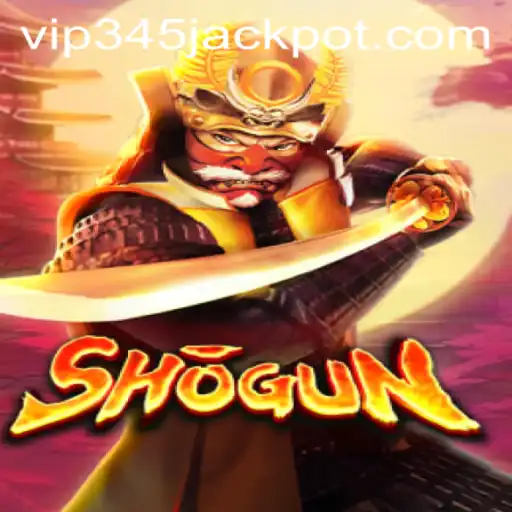

Dive into the captivating strategies and historical nuances of the game Shogun, unraveling its rules and the cultural impact it continues to have today.
Exploring the Dynamic World of Shogun: An In-depth Guide
The game Shogun is a compelling blend of strategy, history, and skill that has captured the interest of both seasoned gamers and history enthusiasts worldwide. Rooted in the storied past of feudal Japan, Shogun offers players an immersive experience into the life and politics of 16th-century Japan, a period defined by power struggles and territorial conquest.
A Brief Introduction to Shogun
Shogun was initially inspired by the historical events of the Sengoku Jidai era, during which powerful daimyo (feudal lords) vied for control over Japan. The objective of the game is to become the most powerful shogun by strategically managing resources, expanding territories, and outmaneuvering rivals. The game's mechanics have been designed to reflect the complexities of feudal Japan's socio-political landscape, providing a rich and authentic gameplay experience.
Game Description
The board game Shogun is renowned for its strategic depth and historical accuracy. Players are tasked with managing their respective clans, each represented by unique colors and historical figures, as they strive to control key positions on a map of Japan. The game elegantly combines elements of diplomacy, resource management, and military tactics. Each player must balance their military strength with economic growth to secure their clan's dominance by the end of the game.
Game Rules and Mechanics
Understanding the rules of Shogun is key to mastering the art of becoming a feudal lord. The game is played over several rounds, each consisting of different phases including planning, deployment, and combat.
Setup
The board is set up with regional boundaries clearly marked, displaying castles, provinces, and resource locations. Players choose their clans, and each begins with a limited number of resources, troops, and influence points. The initial setup also includes assigning territories randomly to ensure every game starts uniquely.
Phases of Play
- Planning Phase: Players secretly plan their actions by selecting cards representing various types of actions they can take, such as building constructions, levying taxes, recruiting troops, or launching attacks.
- Combat Phase: Conflicts are resolved using a unique cube tower mechanism, where players drop colored cubes representing their forces into a tower with different sized compartments, simulating the unpredictability of battle outcomes.
- Economic Phase: Players gain resources based on the territories they control, using them to maintain their armies and further their interests.
Victory Conditions
Victory is determined by the number of provinces controlled, the size of armies, and the development of one's domains. Points are awarded at the game's end, considering territories, resources, and military power.
Shogun and Modern Gaming
The modern context has seen Shogun thrive amid a resurgence of interest in historical strategy games. With the game industry increasingly focusing on narrative-driven experiences, Shogun stands out for its authenticity and strategic depth. Players interested in history find the game an educational tool, offering insights into the culture and political strategies of Japan's Warring States period.
Furthermore, the introduction of technology in board games has enhanced the Shogun experience. Several digital adaptations have emerged, allowing players to immerse themselves in this historical period from anywhere in the world. These online platforms include voice chat, enhancing the diplomatic aspect of the game by facilitating on-the-fly negotiations or alliances, reminiscent of historical tribal politics.
Current Global Context
In the current global climate, Shogun reflects broader themes such as resilience and leadership, resonating with audiences facing modern-day challenges. Players draw parallels between historical struggles for power and today's economic and political landscapes, making the game relatable to a wider audience.
The game's theme of balancing conflict and diplomacy is particularly poignant, echoing today's need for strategic alliances and thoughtful resource management. Playing Shogun offers modern audiences a window into historical conflicts, encouraging them to think critically about cooperation and conflict resolution in today’s interconnected world.
Conclusion
Whether you are a hardcore strategist or a newcomer fascinated by history, Shogun provides a gameplay experience that is both intellectually stimulating and deeply engaging. The blend of historical richness with strategic gameplay ensures that Shogun remains a beloved classic in the board game community, continually attracting players eager for a challenge.